MODERN ISLAMIC DRESS
Islamic dress, additionally called hijab, or veiling, is worn by Muslims in present day Islamic nations and by numerous Muslims who live in nations that are not essentially Islamic. Created from explanations found in the Islamic sacred book, the Quran Pak, the tenets of Muslim dress principally call for unobtrusiveness and effortlessness in garments. When all is said in done, Islamic dress comprises of free apparel that covers the body and the head, yet there is nobody kind of garments for all Muslim individuals. A few governments, religious pioneers, and factions of Islam frequently have exceptionally strict unobtrusiveness prerequisites. In the meantime, in urban territories, for example, Cairo, the capital of Egypt, the guidelines of humble dress are regularly looser, taking into account more Western styles of apparel. Notwithstanding, most dedicated Muslims attempt to take after some adaptation of the principles of humility initially set down in the expressions of the Quran and by the prophet MUHAMMAD (PBUH), originator of Islam.

The tenets of humility are fairly unique for ladies than for men. Both are required to wear free apparel that does not stick and uncover the state of the body. Be that as it may, while it is trusted that MUHAMMAD (PBUH) requested ladies to cover the majority of their bodies aside from the face and hands, men were just ordered to cover the territory between their navel and their knees. In any case, in most current Islamic social orders men are relied upon to cover their legs and arms, similarly as ladies may be. Men were likewise taboo to wear silk and gold, while ladies were permitted to wear them. Since part of unobtrusiveness isn't flaunting one's riches, Islamic dress isn't luxurious or lavishly finished, however apparel is typically basic and little adornments or cosmetics is worn. Humility likewise implies not showing pride or vanity about one's absence of riches, so battered garments are additionally disliked by the tenets of Islamic dress.
In a cutting edge urban culture, for example, that of many Middle Eastern urban communities, ladies' Islamic dress more often than not comprises of a skirt that achieves the lower legs, a since quite a while ago sleeved shirt, and a headscarf, additionally called a hijab. A few ladies may wear a Western-style coat over their pullover, and many wear slacks or pants with a since quite a while ago sleeved shirt and hijab. Muslim men in urban areas likewise for the most part wear long jeans and since a long time ago sleeved shirts, similarly most Western men do. It is for the most part viewed as unsuitable for men to wear shorts or go shirtless. In country territories, and in some preservationist nations like Iran in the 1980s and Afghanistan in the 1990s, dress standards have regularly been stricter. Ladies might be required to cover their countenances and in addition their heads, and men may wear lower leg length, free robes called galabiyyas. In a few zones men likewise cover their heads with scarves or turbans.
Despite the fact that some in the West expect that Muslim ladies must be compelled to cover themselves and comply with the principles of Islamic dress, numerous Muslim ladies see things in an unexpected way. To them, Islamic dress speaks to an Arab and Muslim personality in which they take incredible pride. They may feel more secure both in the city and in the work-put on the grounds that their style of dress, which demonstrates their religious commitment, makes it more improbable that men will trouble them. In countries like Egypt, which don't have religious governments however do have religious political gatherings, wearing Islamic dress can likewise put forth a political expression. Then again, there are ladies who defy the tenets of Islamic dress and keep up they have a privilege to dress as they wish.
A main Nigerian transportation organization with more than 30 long periods of delivery ability.
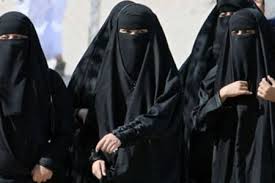
In nations that are not basically Muslim, Muslim ladies who take after the standards of Islamic dress might be dealt with uniquely in contrast to non-Muslim ladies. Individuals of various religions here and there don't comprehend the principles of Islam and make presumptions about the political convictions or way of life of ladies who wear a headscarf or men who wear a turban. Some Muslim ladies have even expelled their headscarf keeping in mind the end goal to apply for occupations since they feel businesses would be less inclined to contract them in Islamic dress.

No comments:
Post a Comment